


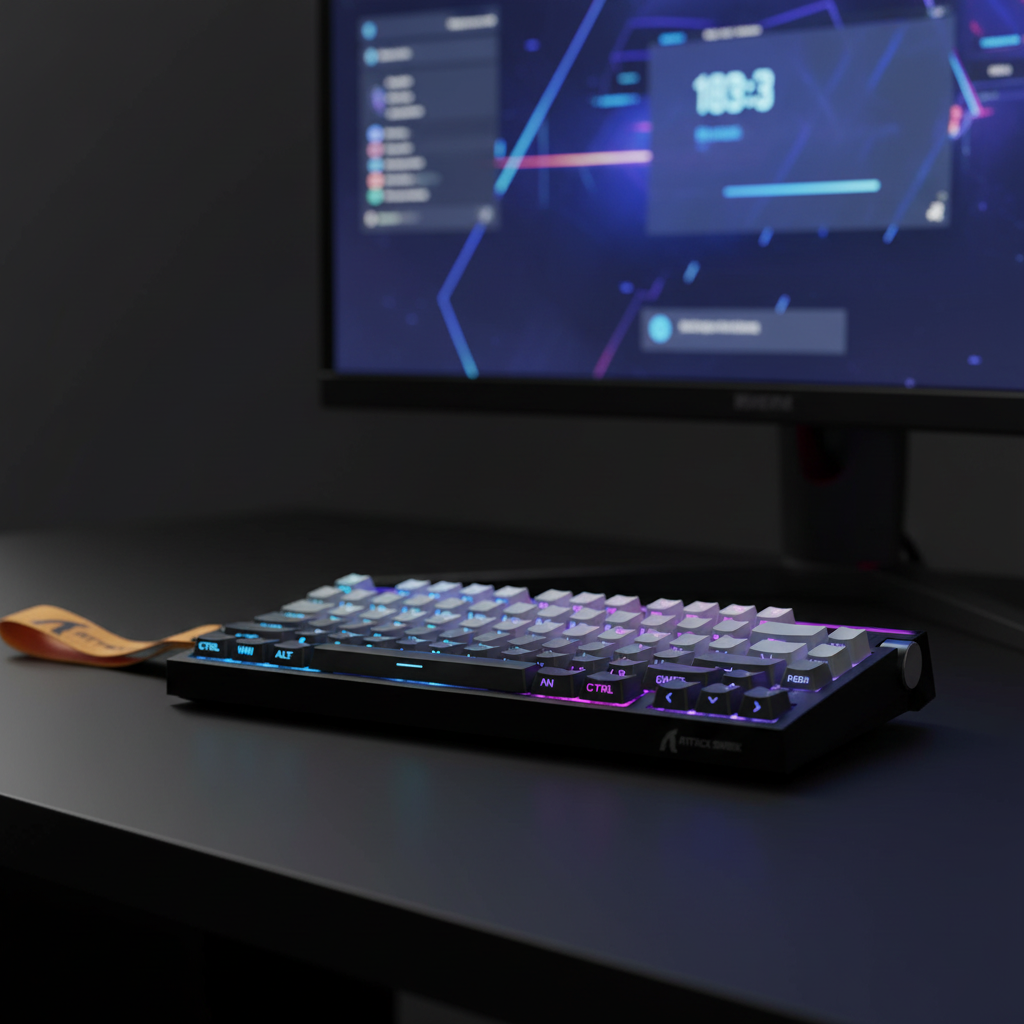
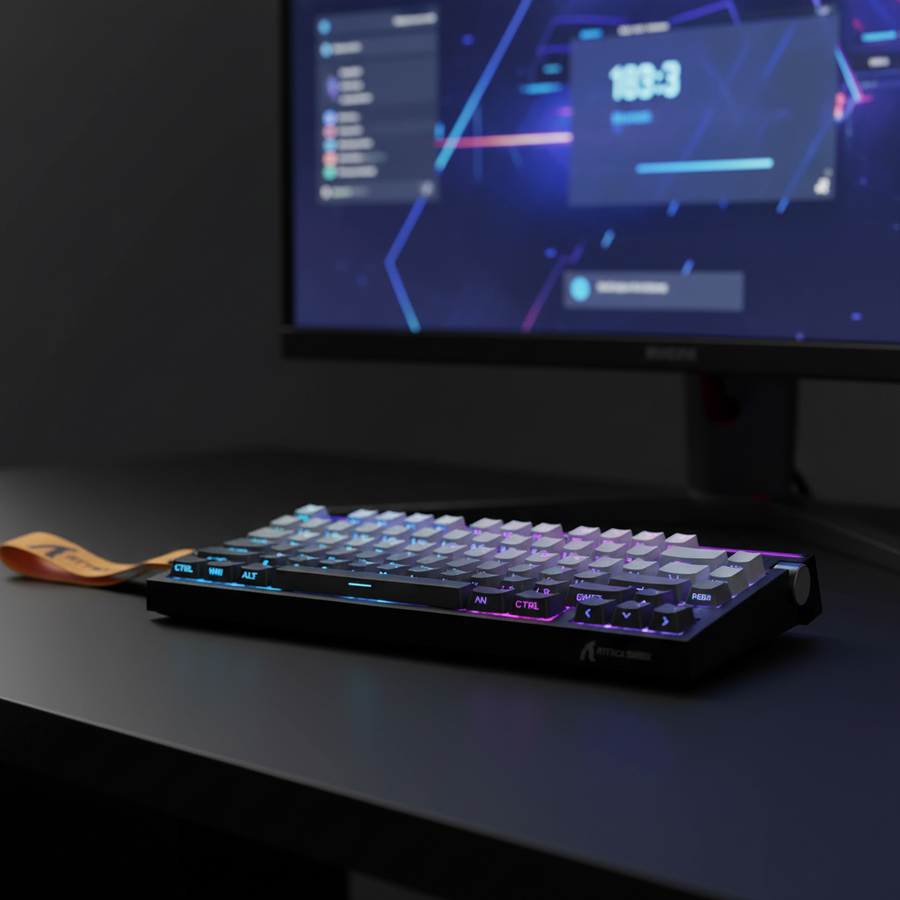
Die Evolution der Eingabe: Von binären Schaltern zu analoger Präzision
Jahrzehntelang arbeitete die mechanische Tastaturindustrie nach einem binären Prinzip: Eine Taste war entweder gedrückt oder nicht. Traditionelle mechanische Schalter basieren auf physischem Metallkontakt, um einen Stromkreis zu schließen, ein Prozess, der inhärente Einschränkungen bei Geschwindigkeit, Anpassbarkeit und Haltbarkeit mit sich bringt. Mit dem Aufkommen von Hall-Effekt-(HE)-Sensoren hat sich dieses Paradigma grundlegend verändert. Durch die Nutzung magnetischer Felder zur präzisen Positionsmessung eines Schalters über den gesamten 4,0 mm Hubbereich haben moderne Hochleistungstastaturen den Sprung von einfachen „Ein/Aus“-Geräten zu ausgefeilten analogen Instrumenten vollzogen.
Dieser technologische Fortschritt ermöglicht eine Funktion namens Dual-Action Mapping. Durch die Erkennung kleinster Änderungen im magnetischen Fluss – oft mit einer Auflösung von bis zu 0,1 mm – kann die Firmware nun mehrere logische Befehle einer einzigen physischen Tasteneingabe basierend auf deren Tiefe zuweisen. Diese Fähigkeit ist nicht nur eine Neuheit; sie stellt einen bedeutenden Wettbewerbsvorteil in Titeln wie Fortnite oder komplexen MMOs dar, bei denen Aktionsdichte und Eingabelatenz über den Ausgang eines Gefechts entscheiden.
Der Mechanismus der magnetischen Betätigung und Tiefen-Mapping
Um den Wert von Dual-Action-Makros zu verstehen, muss man zunächst den zugrundeliegenden Hardware-Mechanismus begreifen. Im Gegensatz zu mechanischen Schaltern, die an einem festen Punkt (typischerweise 2,0 mm) auslösen, verwenden Hall-Effekt-Schalter einen Magneten und einen Sensor. Während die Taste gedrückt wird, misst der Sensor die zunehmende Magnetfeldstärke.
Laut den USB HID Usage Tables (v1.5), dem Standardprotokoll für Human Interface Devices, sind komplexe Berichtsbeschreibungen möglich. Während die meisten Tastaturen nur „Taste losgelassen“ oder „Taste gedrückt“ melden, können analoge-fähige Boards die Hubdistanz interpretieren, um bei 1,0 mm eine „flache“ und bei 3,5 mm eine „tiefe“ Aktion auszulösen.
Der Latenzvorteil von Rapid Trigger
Ein wichtiger sekundärer Vorteil der Hall-Effekt-Technologie ist Rapid Trigger (RT). In einer Standard-Mechanik-Konfiguration muss ein Schalter zurück über einen festen Reset-Punkt reisen, bevor er erneut gedrückt werden kann. Diese „Hysterese“ fügt eine deterministische Verzögerung hinzu. Hall-Effekt-Sensoren eliminieren dies, indem sie es dem Schalter erlauben, sofort zurückzusetzen, sobald er sich nach oben bewegt, unabhängig von seiner Position im Hubbereich.
Basierend auf unserer Szenariomodellierung für einen wettbewerbsorientierten Spieler bietet das Hall-Effekt-System eine signifikante Reduzierung der Eingabelatenz.
Modellierungshinweis: Hall-Effekt vs. mechanische Latenz Unsere Analyse geht von einer Fingerhebegeschwindigkeit von 150 mm/s aus. In diesem Szenario führt ein Standard-Mechanikschalter mit 0,5mm Reset-Abstand und 5ms Entprellzeit zu einer Gesamt-Reset-Latenz von etwa 12,3ms. Im Gegensatz dazu erreicht ein Hall-Effekt-Schalter mit 0,1mm Reset-Abstand und keiner Entprellzeit eine Reset-Latenz von ca. 4,7ms. Dies entspricht einem Vorteil von ca. 7,6ms (für die praktische Anwendung auf ca. 8ms gerundet), was für schnelle Bau-Sequenzen in Fortnite entscheidend ist.

Fortgeschrittene Makro-Strategien für kompetitive Titel
Die praktische Anwendung der Dual-Action-Belegung variiert je nach Genre erheblich. Durch die Nutzung der „Tiefen Betätigung“ können Spieler komplexe Rotationen oder Bewegungsmuster in eine einzige Fingerbewegung zusammenfassen.
Szenario A: Der Fortnite-Baumeister
Im hochklassigen Fortnite-Spiel sind „Bearbeiten“ und „Bestätigen“ zwei unterschiedliche Aktionen, die nahezu unmittelbar nacheinander erfolgen müssen. Eine gängige Power-User-Strategie besteht darin, den „Bearbeiten“-Befehl auf einen flachen Auslösepunkt (z. B. 1,2mm) und den „Auswählen/Bestätigen“-Befehl auf einen tiefen Auslösepunkt (z. B. 3,2mm) zu legen.
- Das Ergebnis: Ein einziger, flüssiger Druck führt die gesamte Bearbeitungssequenz aus.
- Der Mechanismus: Die Firmware verarbeitet das erste HID-Ereignis bei 1,2mm, und während der Finger weiter nach unten drückt, wird das zweite Ereignis bei 3,2mm ausgelöst, wodurch die erforderlichen Fingerbewegungen effektiv halbiert werden.
Szenario B: MMO-Fähigkeiten-Schichtung
Für MMO-Spieler, die Dutzende von Tastenbelegungen verwalten, fungiert die Dual-Action-Belegung als „Shift“-Modifikator, ohne dass ein zweiter Finger benötigt wird.
- Die Strategie: Weise einer flachen Betätigung eine Fähigkeit mit kurzer Abklingzeit und Sofortwirkung zu und einem tiefen Druck einen wirkungsvollen Zauber mit längerer Abklingzeit.
- Die Logik: Während Standardrotationen nutzt der Spieler leichte Tipper, um die primäre Fähigkeit auszulösen. Wenn ein Schadensstoß benötigt wird, löst ein vollständiger Druck den sekundären Zauber aus. Dies schafft ein natürliches Prioritätssystem basierend auf physischem Druck.
Implementierungsleitfaden: Die 0,8mm Differenzregel
Während die Software für analoge Tastaturen extreme Anpassungen ermöglicht, ist das Setzen von Auslösepunkten zu nah beieinander eine häufige Falle. Basierend auf gängigen Mustern in Enthusiasten-Communities und Support-Protokollen führt das Setzen eines sekundären Auslösepunktes innerhalb von 0,5mm des primären oft zu „Fehlauslösungen“ oder versehentlichen Triggern während intensiver Spielsituationen.
Heuristik: Der 0,8mm bis 1,2mm Puffer
Um eine konsistente Trennung zwischen Aktionen zu gewährleisten, empfehlen wir einen minimalen Unterschied von 0,8 mm bis 1,2 mm zwischen den flachen und tiefen Aktuationspunkten.
- Warum diese Zahl: Die feine motorische Kontrolle des Menschen unter Stress fehlt typischerweise die Präzision, um einen Tastendruck konstant innerhalb eines 0,5-mm-Fensters zu stoppen. Ein 1,0-mm-Puffer bietet eine taktile Sicherheitszone, die sicherstellt, dass ein „Tipp“ ein Tipp bleibt und ein „Druck“ beabsichtigt ist.
- So überprüfen Sie es: Die meisten Konfigurationsprogramme, wie jene, die mit den USB HID-Klassendefinitionen übereinstimmen, bieten eine visuelle Anzeige des Wegs. Testen Sie Ihre „leichte Tipp“-Tiefe in der Software; wenn Sie beim schnellen Spielen natürlich 1,5 mm erreichen, sollte Ihr flacher Auslöser bei 1,0 mm und Ihr tiefer Auslöser nicht höher als 2,2 mm liegen.
System-Synergie: 8000Hz-Polling und CPU-Engpässe
Fortgeschrittene Makros und tiefes Aktuations-Mapping existieren nicht isoliert; sie sind auf die zugrundeliegende Pollingrate des Geräts angewiesen, um sicherzustellen, dass die Daten ohne Verzögerung den PC erreichen. Hochleistungs-Peripheriegeräte bewegen sich zunehmend in Richtung 8000Hz (8K) Pollingrate.
Die Mathematik der 8K-Leistung
Bei einer Standard-Pollingrate von 1000Hz prüft der PC alle 1,0 ms auf Eingaben. Bei 8000Hz sinkt dieses Intervall auf 0.125ms. Diese 8-fache Erhöhung der Frequenz stellt sicher, dass der genaue Moment, in dem ein Hall-Effekt-Sensor eine Aktuationsschwelle überschreitet, mit nahezu sofortiger Genauigkeit erfasst wird.
Nutzer müssen jedoch die Systemanforderungen für 8K-Polling beachten. Der Engpass ist selten die rohe CPU-Leistung, sondern vielmehr die IRQ (Interrupt Request)-Verarbeitung. Jedes vom Keyboard oder der Maus gesendete Paket erfordert, dass die CPU ihre aktuelle Aufgabe unterbricht und die Eingabe verarbeitet. Bei 8000Hz kann dies erhebliche Single-Core-Ressourcen beanspruchen.
Offenlegung technischer Einschränkungen: Um die Stabilität bei 8000Hz zu gewährleisten, empfehlen wir dringend die Verwendung von direkten Motherboard-Anschlüssen (Rear I/O). Basierend auf der Standard-USB-Topologie führen Front-Panel-Header oder ungespeiste Hubs zu Signalstörungen und Paketverlusten, was in Spielen mit hoher Bildwiederholrate zu „Stottern“ führen kann. Außerdem wird zur visuellen Wahrnehmung des flüssigeren Eingabepfads durch 8K-Polling ein Monitor mit hoher Bildwiederholrate (240Hz oder 360Hz) dringend empfohlen, wie in den VESA DisplayHDR-Standards beschrieben.
Ergonomie und Grip-Fit für die Makroausführung
Das Ausführen von tiefen Aktuationsmakros erfordert mehr körperliche Kraft und Weg als flaches Tippen. Dies belastet die Hand zusätzlich, weshalb eine ergonomische Passform ein entscheidender Faktor für langfristige Gesundheit und Leistung ist.
Die Grip-Fit-Ratio-Heuristik
Für Nutzer mit größeren Händen – typischerweise etwa 20,5 cm lang – ändert sich die Interaktion mit Tastatur und Maus. Die Verwendung eines Claw Grip ist bei Wettkampfspielern üblich, da er ein Gleichgewicht zwischen Geschwindigkeit und Stabilität bietet.
Modellierungshinweis: Ergonomische Passformbewertung Basierend auf den ergonomischen Prinzipien der ISO 9241-410 und der ANSUR II-Datenbank haben wir eine „Große Hand“-Persona (20,5 cm Länge) modelliert. Für diese Handgröße ist eine Mauslänge von etwa 131 mm ideal. Bei Verwendung einer Standardmaus mit 120 mm beträgt das Grip-Fit-Verhältnis etwa 0,91. Obwohl funktional, deutet dieses Verhältnis auf eine leichte Vorstreckung hin, die bei intensiven Makrositzungen über 3 Stunden die Mittelhandbelastung erhöhen kann.
Materialakustik: Thock vs. Clack
Die physische Bauweise der Tastatur beeinflusst ebenfalls die Wahrnehmung der Betätigung. Hochleistungsmodelle verwenden oft viskoelastische Dämpfung (wie Poron-Schaum), um das Klangprofil zu verändern.
- Thock (< 500 Hz): Erreicht durch Platten mit geringer Steifigkeit (PC) und dichten Schaumstoff. Dies erzeugt einen gedämpften, tiefen Klang, den viele bei langen Sitzungen als weniger störend empfinden.
- Clack (> 2000 Hz): Scharfe, hochfrequente Geräusche von Metallplatten (Aluminium/Stahl). Dies bietet ein klareres akustisches Feedback bei der Betätigung, kann aber mit der Zeit zu Ohrermüdung führen.
Kabellose Leistung und Batteriekonflikte
Für Spieler, die kabellose Hochleistungsmäuse zur Ergänzung ihrer makrolastigen Setups wählen, bringt der Wechsel zu Abtastraten von 4000Hz oder 8000Hz erhebliche Batteriekosten mit sich.
Modellierungshinweis: Schätzung der kabellosen Laufzeit Unsere Analyse einer 300mAh-Batterie bei einer Abtastrate von 4000Hz zeigt einen Gesamtstromverbrauch von etwa 19mA (einschließlich Sensor, Funk und MCU-Overhead). Unter diesen Bedingungen beträgt die geschätzte Laufzeit ca. 13,4 Stunden. Dies entspricht einer Reduzierung von etwa 75 % im Vergleich zur Standardabtastrate von 1000Hz. Für Turnierspiele empfehlen wir, das Gerät über 50 % Ladung zu halten, um zu verhindern, dass die MCU in Energiesparmodi wechselt, die die Eingabelatenz erhöhen könnten.
Vertrauen, Sicherheit und regulatorische Konformität
Beim Kauf von Hochleistungs-Peripheriegeräten mit diesen fortschrittlichen Funktionen ist es entscheidend, dass das Gerät internationale Sicherheitsstandards erfüllt. Hochgeschwindigkeits-Wireless-Geräte müssen strenge RF-Expositions- und Batteriesicherheitsprotokolle einhalten.
- RF-Konformität: Geräte sollten über die FCC Equipment Authorization oder die ISED Canada Radio Equipment List überprüft werden, um sicherzustellen, dass sie innerhalb der gesetzlichen Frequenzbänder ohne Störungen arbeiten.
- Batteriesicherheit: Jedes Gerät mit Lithium-Ionen-Akku muss den Anforderungen von UN 38.3 für den sicheren Transport und IEC 62368-1 für Produktsicherheit entsprechen.
- Firmware-Integrität: Laden Sie Treiber und Firmware stets von offiziellen Quellen herunter. Wir empfehlen, den Datei-Hash über Plattformen wie VirusTotal zu überprüfen, um sicherzustellen, dass die Software nicht manipuliert wurde.
Optimierungszusammenfassung für Power-User
Die Dual-Action-Belegung ist ein bahnbrechendes Werkzeug für technikaffine Spieler, doch ihre Effektivität hängt von der Synergie zwischen Hardware, Software und der physischen Einrichtung des Nutzers ab. Durch das Verlassen binärer Grenzen und die Nutzung der analogen Präzision von Hall-Effekt-Sensoren können Spieler eine zuvor unerreichbare Kontrolle erlangen.
Um Ihre Leistung zu maximieren:
- Halten Sie einen 1,0 mm Puffer zwischen den Betätigungspunkten ein.
- Verwenden Sie direkte USB-Anschlüsse für stabile 8K-Abtastung.
- Kalibrieren Sie jede Taste unabhängig, um kleine Sensorabweichungen auszugleichen.
- Stellen Sie sicher, dass Ihre Firmware auf der neuesten stabilen Version ist, um Abtastinkonsistenzen bei tiefen Betätigungen zu vermeiden.
Für weitere technische Einblicke in die Peripherie-Entwicklung siehe das Global Gaming Peripherals Industry Whitepaper (2026).
Haftungsausschluss: Dieser Artikel dient nur zu Informationszwecken. Das Modifizieren der Hardware oder die Nutzung von Makro-Software von Drittanbietern kann gegen die Nutzungsbedingungen bestimmter Wettkampfspiele verstoßen. Prüfen Sie stets die spielespezifischen Regelungen, bevor Sie fortgeschrittene Makros im Ranglistenspiel verwenden.
Anhang: Modellierungsmethodik
Die in diesem Artikel angegebenen Datenpunkte stammen aus deterministischen Szenariomodellen und nicht aus kontrollierten Laborstudien.
| Parameter | Wert | Einheit | Begründung |
|---|---|---|---|
| Fingerhebegeschwindigkeit | 150 | mm/s | Durchschnittliche Geschwindigkeit eines Wettkampfspielers |
| Mechanisches Entprellen | 5 | ms | Standard Cherry MX Spezifikation |
| HE Rücksetzweg | 0.1 | mm | Minimaler Schwellenwert für schnelle Auslösung |
| 4K Abtaststrom | 19 | mA | Nordic nRF52840 + PixArt PAW3395 Stromverbrauch |
| Griff-Fit-Verhältnis | 0.91 | Verhältnis | 20,5 cm Hand vs. 120 mm Maus |
Randbedingungen:
- Latenzmodelle gehen von konstanter Geschwindigkeit aus; reale Beschleunigungen können die Ergebnisse verändern.
- Batterieangaben schließen den Stromverbrauch der LEDs und Umwelttemperaturfaktoren aus.
- Ergonomische Verhältnisse sind statistische Heuristiken und berücksichtigen nicht die individuelle Gelenkgesundheit.
Quellen: