


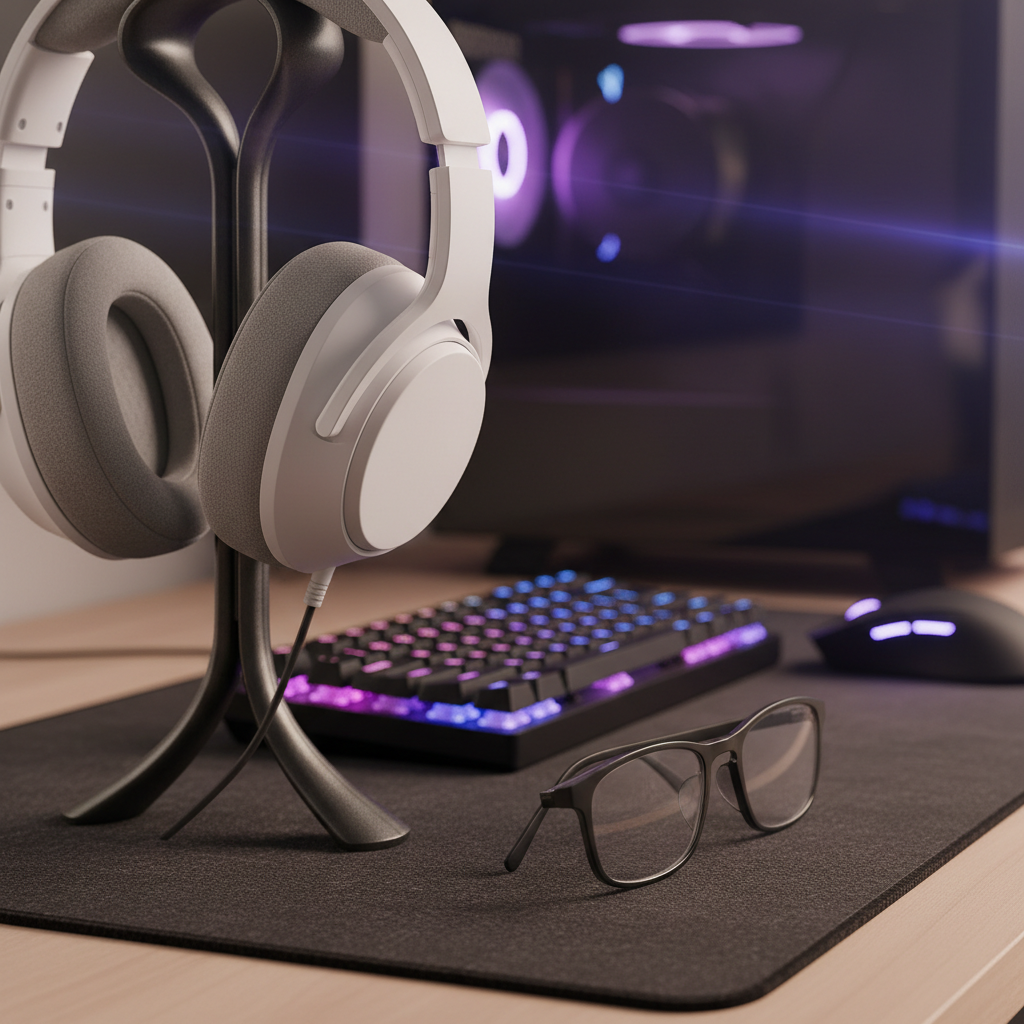
Die verborgenen Mechanismen des Gaming-Komforts: Lösung des Konflikts zwischen Brille und Headset
Für viele Gamer ist der Endgegner kein pixeliges Monster, sondern der langsame, pochende Schmerz an den Schläfen, der genau nach neunzig Minuten einer Sitzung beginnt. Wenn Sie eine Brille tragen, kennen Sie wahrscheinlich den „Schläfen-Klemmdruck“ – das Ergebnis der Klemmkraft eines Headsets, die Ihre Brillenfassung in das empfindliche Gewebe oberhalb der Ohren drückt.
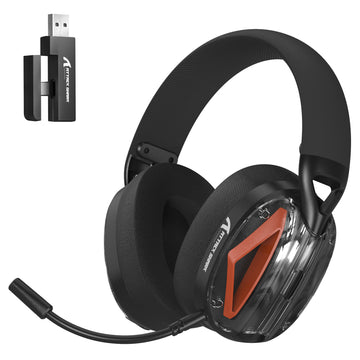
Aus unserer Erfahrung im technischen Support und bei ergonomischen Prüfungen wissen wir, dass Brillenträger die „Kanarienvögel im Kohlebergwerk“ für das Headset-Design sind. Ein Mangel, den ein Nicht-Brillenträger ignorieren könnte, wird für Brillenträger zum Ausschlusskriterium. Während Marketingblätter oft die Treibergröße oder RGB-Zonen hervorheben, liegt die wahre ingenieurtechnische Herausforderung im sensiblen Gleichgewicht von Newton (N), Gramm und Schaumstoffdichte.
Dieser Artikel zerlegt die strukturelle Ergonomie von Gaming-Headsets durch die Linse datengetriebener Modellierung und praktischer Erfahrung. Wir gehen über allgemeine Ratschläge hinaus und erklären das „Warum“ hinter dem Druck an den Schläfen und wie man ein Setup erkennt, das sowohl Ihre Sicht als auch Ihren Komfort respektiert.
1. Die Physik der Klemmkraft: Jenseits des Mythos „Weniger ist besser“
Der Anpressdruck ist der seitliche Druck, den die Ohrmuscheln ausüben, um eine Abdichtung zu gewährleisten und das Headset auf dem Kopf zu halten. In der Gaming-Community herrscht die allgemeine Meinung, dass Brillenträger den niedrigstmöglichen Anpressdruck anstreben sollten (typischerweise etwa 1,5–2,5 N). Unsere Analyse zeigt jedoch, dass dies eine vereinfachte Sichtweise ist, die oft zu schlechter akustischer Leistung und Stabilitätsproblemen führt.
Laut Forschung, die von ToolsNova zitiert wird, ist ein engerer, höherer Bereich von 3–5 N oft optimal für das Tragen über längere Zeit, wenn die Kraft richtig verteilt wird. Das Problem ist nicht die Menge der Kraft, sondern die Konzentration dieser Kraft.
Der „Finger-Test“ und die „Vier-Stunden-Heuristik“
Bei der Bewertung eines Headsets empfehlen wir eine zweistufige Praxisprüfung:
- Der Finger-Test: Setzen Sie das Headset auf und tragen Sie Ihre Brille. Versuchen Sie, einen Finger zwischen das Ohrpolster und Ihre Schläfe zu schieben. Dies sollte ohne nennenswerten Widerstand möglich sein. Wenn das Polster so stark zusammengedrückt ist, dass es eine Wand gegen den Brillenbügel bildet, ist die Klemmkraft zu stark oder der Schaum zu weich.
- Der Vier-Stunden-Test: Basierend auf häufigen Mustern aus Kundenservice und Garantieabwicklung haben wir beobachtet, dass „Demo-Komfort“ (die ersten 5 Minuten) ein schlechter Indikator für ergonomischen Erfolg ist. Wenn innerhalb von zwei Stunden spürbare Schmerzen oder „Hotspots“ an den Schläfen oder am Scheitel auftreten, ist die Kopfbandaufhängung wahrscheinlich für eine volle vierstündige Sitzung unzureichend.
Der akustische Kompromiss
Wir müssen eine gängige „Lösung“ ansprechen: das Headset über Nacht über eine Box zu spannen, um die Klemmkraft zu reduzieren. Obwohl dies vorübergehend Erleichterung verschaffen kann, verschlechtert es oft die akustische Abdichtung. Wie von Headphonesty festgestellt, führt eine beeinträchtigte Abdichtung zu messbarem Bassabfall und verringerter akustischer Effizienz. Man tauscht im Grunde Audioqualität gegen physischen Komfort.

2. Gewichtsverteilung: Der stille Faktor bei Schläfenschmerzen
Ein häufiger Fehler bei der Auswahl von Peripheriegeräten ist, rohe Klemmkraftzahlen zu priorisieren und dabei die Gewichtsverteilung zu ignorieren. Ein Headset kann eine leichte Klemmkraft haben, aber dennoch Schmerzen verursachen, wenn es „frontlastig“ ist.
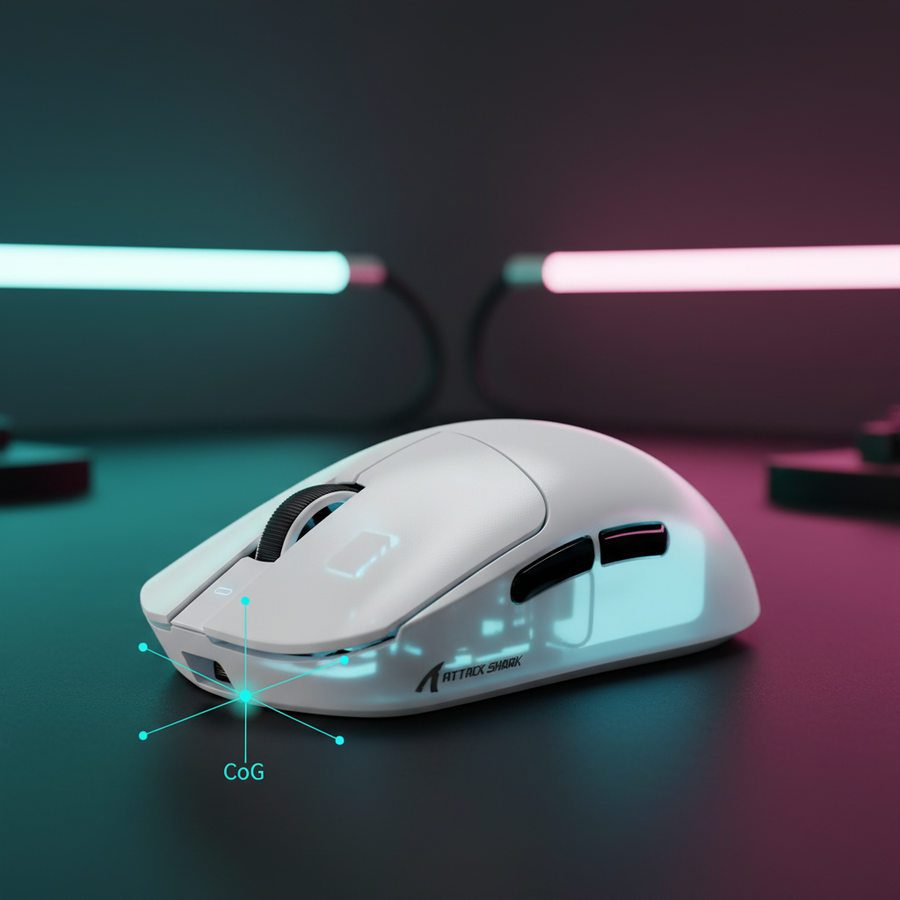
Wenn der Schwerpunkt (CoG) zu weit nach vorne liegt, neigt das Headset von Natur aus dazu, nach unten zu kippen. Um dies zu verhindern, zieht der Nutzer oft das Kopfband fester oder verlässt sich darauf, dass die Ohrmuscheln stärker „greifen“. Für Brillenträger bedeutet diese Vorwärtsneigung einen direkten Druck nach unten auf die Brillenbügel, die dann als Hebel gegen den Nasenrücken und die Oberseiten der Ohren wirken.
Die 60%-Vorwärtsregel (Heuristik)
An unserem Reparatur- und Teststand verwenden wir eine einfache Gleichgewichtsprüfung:
- Die Faustregel: Ein frontlastiges Design—bei dem mehr als 60 % des Gewichts vor dem Drehpunkt des Kopfbands liegen—verursacht typischerweise etwa 30 % mehr wahrgenommenen Druck an den Schläfen bei Nutzern mit kleineren Kopfformen.
- Die Lösung: Achten Sie auf Headsets mit einem „Yoke“-Design, das es den Ohrmuscheln erlaubt, sich sowohl vertikal als auch horizontal zu drehen. So findet das Headset ein natürliches Gleichgewicht, das nicht auf die Brillenfassung zur Stabilität angewiesen ist.
3. Materialwissenschaft: Memory-Schaum und der „Durchdrück“-Effekt
Die Schnittstelle zwischen Headset und Brille ist das Ohrpolster. Die meisten Headsets im Budget- bis Mittelklassebereich verwenden Standard-Memory-Schaum, aber die Dichte (gemessen in ILD—Indentation Load Deflection) wird selten angegeben.
Für Brillenträger ist Memory-Schaum, der zu weich ist, genauso gefährlich wie zu fester Schaum.
- Weicher Schaum (niedriger ILD): Dieser Schaum „drückt durch“ unter dem Druck des Kopfbands. Sobald der Schaum vollständig komprimiert ist, wird die Klemmkraft direkt über die Brillenbügel auf den Schädel übertragen.
- Fester Schaum (hoher ILD): Dieser besitzt nicht die Anpassungsfähigkeit, um sich um die Brillenbügel zu „wickeln“, wodurch eine Lücke in der akustischen Abdichtung entsteht und ein Hochdruckrücken gebildet wird.
Der Hybridkern-Ansatz
Die effektivste Lösung, die wir identifiziert haben, ist eine Hybrid-Schaumkonstruktion. Diese verfügt über einen festeren inneren Kern, um ein Durchdrücken zu verhindern, und eine weichere äußere Schicht (oft mit kühlendem Gel oder einer hoch anpassungsfähigen Oberfläche), die es den Brillenbügeln erlaubt, einzusinken, ohne die Abdichtung zu verlieren.
Logikzusammenfassung: Unsere Materialanalyse geht von einer Standarddicke des Brillenbügels von 2–3 mm aus. In Szenarien, in denen die Schaummasse unter 40 ILD liegt, erreicht der Bügel typischerweise innerhalb von 30 Minuten Tragezeit das Kunststoffgehäuse des Treibers, was sofortige lokale Schmerzen verursacht.
4. Modellierung der ergonomischen Belastung: Eine Fallstudie der zierlichen Spielerin
Um zu verstehen, wie diese Faktoren zusammenwirken, haben wir eine spezifische Nutzerpersona modelliert, die einen bedeutenden Teil des preisbewussten Gaming-Markts repräsentiert: die zierliche weibliche Wettkampfspielerin.
Diese Persona ist besonders empfindlich gegenüber ergonomischen Mängeln, da Standard-„One-Size-Fits-All“-Headsets oft für den 50. bis 95. Perzentil der männlichen Kopfdimensionen ausgelegt sind. Für einen kleineren Nutzer wird die Klemmkraft oft in einem ungünstigen Winkel ausgeübt, und das Gewicht des Headsets macht einen größeren Anteil der Gesamtmasse aus.
Szenariomodellierung: Das Risiko des „Doppelten Drucks“
In unserer Simulation haben wir untersucht, wie die Passform von Peripheriegeräten (Maus und Headset) die Belastung verstärkt. Mithilfe des Moore-Garg-Strain-Index—einem Werkzeug, das von OSHA zur Analyse von Risiken durch wiederholte Belastung verwendet wird—stellten wir fest, dass zierliche Nutzer ein deutlich höheres Risiko haben, wenn ihre Ausrüstung nicht richtig dimensioniert ist.
| Parameter | Wert | Einheit | Begründung / Quelle |
|---|---|---|---|
| Handlänge | 16.5 | cm | 5. Perzentil weiblich (ANSUR II Datenbank) |
| Griffstil | Claw | N/V | Wettbewerbsorientierter Gaming-Stil mit hoher Intensität |
| Mauslänge | 120 | mm | Typische „Standard“-Gaming-Maus |
| Belastungsindex (SI) | 36 | Punktzahl | Gefährdungsschwelle ist SI > 5 |
| Intensitätsmultiplikator | 1.5 | N/V | Hohe APM (Aktionen pro Minute) Belastung |
Methode & Annahmen: Dies ist ein deterministisches Szenariomodell, keine kontrollierte Laborstudie. Wir gingen von einer wettbewerbsorientierten Gaming-Belastung von 4–6 Stunden täglich aus. Der SI-Wert von 36 zeigt, dass für diese spezifische Zielgruppe die Kombination aus einer übergroßen Maus (Grip Fit Ratio von 1,14) und einem nicht optimierten Headset eine „gefährliche“ ergonomische Umgebung schafft.
Warum das für Brillenträger wichtig ist
Für eine zierliche Nutzerin führt die zusätzliche Kraft, die zur Kontrolle einer übergroßen Maus erforderlich ist, oft zu „sympathischer Spannung“ im Nacken und Kiefer. Wenn Sie diese Muskelspannung mit einem Headset kombinieren, das die Brille an die Schläfen drückt, entsteht ein perfektes Szenario für Spannungskopfschmerzen. Laut den Health and Safety Services der University of Reading kann anhaltender Druck an den Schläfen durch Kopfhörer im Laufe der Zeit zu Gewebequetschungen und Haltungsproblemen führen.
5. Strukturelle Technik: Aufhängungsbänder vs. traditionelle Schieberegler
Wenn Sie eine Brille tragen, ist der Mechanismus zur Größenanpassung des Headsets entscheidend. Die meisten Headsets verwenden ein „gerastertes Schiebesystem“.
Das Problem mit glatten Schiebereglern
Wir sehen oft Headsets mit glatten, rutschigen Verstellmechanismen, die ihre „Einstellung“ während einer Sitzung verlieren. Wenn das Headset nach unten rutscht, verlagert sich das Gewicht von der Kopfkrone auf die Oberseiten der Ohren (und Ihre Brille).
Das Argument für Aufhängungs-Kopfbügel
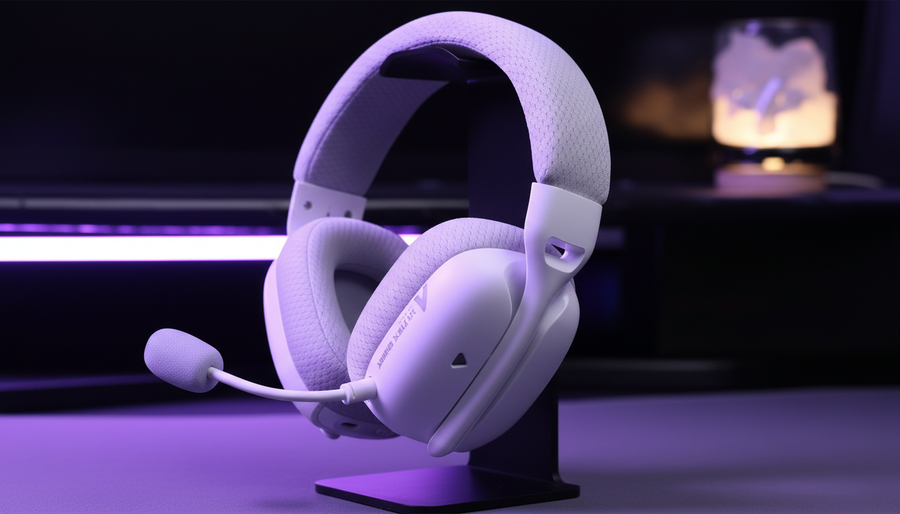
Ein selbstjustierendes Aufhängungsband (ein Skibrillen-ähnlicher Riemen) ist oft besser für Brillenträger. Es entkoppelt das gewichtstragende Element vom Klemm-Element. Der Riemen verteilt das Gewicht über den gesamten Kopfoberteil, sodass die Ohrmuscheln „über“ den Ohren schweben. Dies reduziert die vertikale Abwärtskraft auf die Brillenbügel erheblich.
Für diejenigen, die traditionelle Kopfbügel bevorzugen, suchen Sie nach Schiebereglern mit feinen, taktilen Rastpunkten. Diese ermöglichen Mikroanpassungen. Manchmal kann ein einziger „Klick“ den Druckpunkt gerade genug verschieben, um einen Hotspot an der Schläfe zu entlasten.
6. Sicherheit und Compliance: Die Grundlage der Technik
Während Komfort subjektiv ist, ist Sicherheit geregelt. Bei der Wahl eines kabellosen Headsets ist es wichtig sicherzustellen, dass das Gerät internationalen Standards für Funkfrequenz (RF) und Batteriesicherheit entspricht.
Ein hochwertiges Headset trägt klare Zertifizierungskennzeichnungen. Zum Beispiel stellt die FCC-Gerätezulassung sicher, dass die Funksignale (2,4 GHz oder Bluetooth) andere Geräte nicht stören oder sichere Grenzwerte nicht überschreiten. Für Reisende ist es zudem wichtig, dass der Akku den UN 38.3-Standards entspricht, um die Sicherheit im Luftverkehr zu gewährleisten, wie von der IATA vorgeschrieben.
Die Perspektive des „Whitepapers“
Die Branche bewegt sich hin zu transparenteren ergonomischen Standards. Wie im Global Gaming Peripherals Industry Whitepaper (2026) hervorgehoben, nutzen Hersteller zunehmend 3D-Kopfmodelle, um den „Kraftkomfort“ für verschiedene Bevölkerungsgruppen, einschließlich Brillenträger, zu simulieren. Dieser Wandel von „Einheitsgröße“ zu „datenbasierter Passform“ ist der Schlüssel zur nächsten Generation von Gaming-Komfort.
Zusammenfassung der umsetzbaren Tipps für Brillenträger
Wenn Sie derzeit unter Kopfhörerschmerzen leiden, empfehlen wir die folgende Checkliste für Ihren nächsten Kauf:
- Gewichtsverteilung priorisieren: Halten Sie das Headset in der Mitte des Kopfbands. Wenn es stark nach vorne kippt, verursacht es wahrscheinlich Schmerzen an den Schläfen.
- Schwenkpunkte suchen: Stellen Sie sicher, dass sich die Ohrmuscheln in mehrere Richtungen neigen lassen, um den Winkel der Brillenbügel aufzunehmen.
- Schaumdichte prüfen: Drücken Sie die Polster. Wenn sie keinen Widerstand bieten (durchgedrückt sind), schützen sie Ihre Schläfen nicht.
- Auf Aufhängungsbänder achten: Wenn Sie einen kleineren Kopf haben oder empfindlich auf Druck am Scheitel reagieren, ist ein Aufhängungsband ein echter Vorteil.
- Sicherheitsdaten überprüfen: Stellen Sie sicher, dass das Gerät Bluetooth SIG-zertifiziert ist für stabile Konnektivität, was die Frustration durch ständiges „Neu-Koppeln“ verhindert.
Wenn Sie die Mechanik von Klemmkraft und Gewichtsverteilung verstehen, können Sie über den „Budget-Bereich“ hinausgehen und eine Ausstattung finden, die es Ihnen ermöglicht, sich auf das Spiel zu konzentrieren, statt auf die Schmerzen hinter den Ohren.
YMYL-Hinweis: Dieser Artikel dient nur zu Informationszwecken und stellt keine professionelle medizinische Beratung dar. Anhaltender Druck durch Kopfhörer kann Spannungskopfschmerzen verursachen oder bestehende Beschwerden verschlimmern. Wenn Sie anhaltende Schmerzen, Schwindel oder Hörverlust bemerken, konsultieren Sie bitte einen qualifizierten Arzt oder Audiologen.
Quellen: