


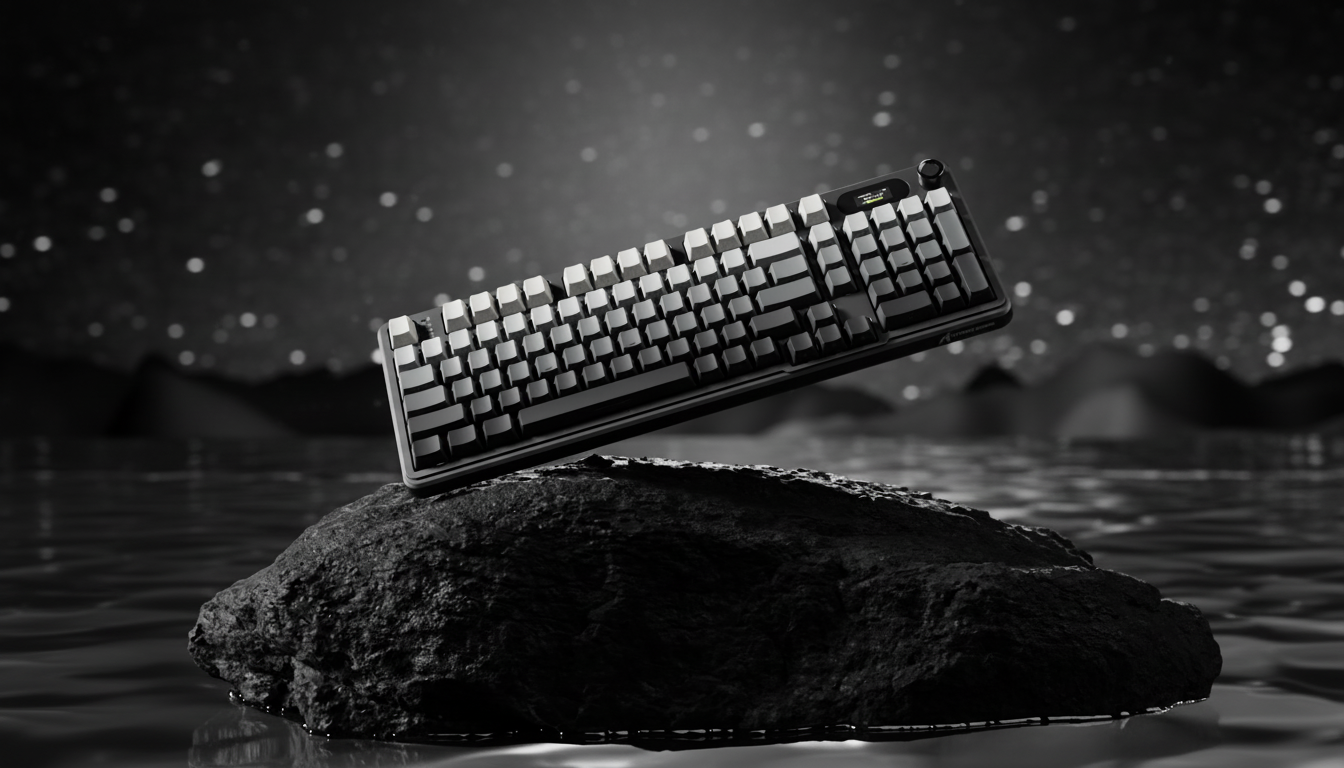
The Chemical Interface: Biochemistry and Metallurgy in Gaming
Premium gaming peripherals have transitioned from simple plastic tools to complex engineering feats involving CNC-machined aluminum, magnesium alloys, and Physical Vapor Deposition (PVD) coatings. While these materials offer superior structural rigidity and aesthetic appeal, they introduce a sophisticated chemical interface between the user and the hardware. The primary catalyst for finish degradation is not merely mechanical wear, but the biochemical interaction of human sweat and skin acidity with metallic surfaces.
Understanding this interaction requires a shift from viewing sweat as simple water to identifying it as a complex electrolyte. According to research on variations in regional sweat composition, human sweat contains chloride ion concentrations ranging from 20 to 60 mmol/L. These ions, combined with a skin pH that typically fluctuates between 4.5 and 5.5, create a corrosive environment that can aggressively attack even high-grade industrial finishes.
The Mechanism of Acidic Etching on Anodized Surfaces
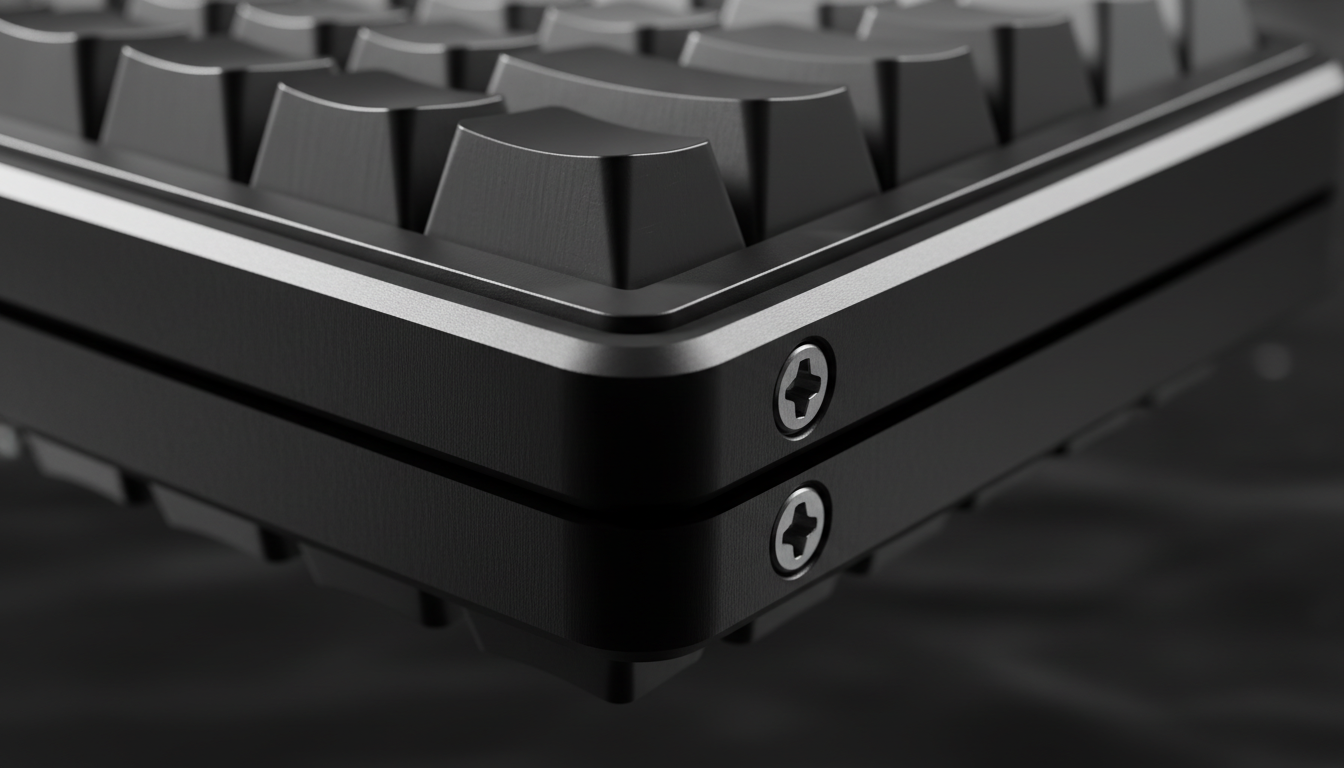
Anodization is a process that increases the thickness of the natural oxide layer on the surface of metal parts, particularly aluminum. This aluminum oxide (Al2O3) layer is technically a ceramic—hard, non-conductive, and naturally porous. In the context of premium keyboards, this porosity is utilized to "trap" dyes before the surface is sealed.
However, the integrity of this seal is the first line of defense against skin acidity. For users with a personal skin pH below 5.0, the acidic environment acts as a solvent. Over extended periods, the acid begins to microscopicly thin the oxide layer. This is often observed as a "dulling" of the finish in high-contact areas like the palm rest or the edges of the frame.
Pitting Corrosion and Chloride Attack
While pH is a significant factor, the presence of chloride ions is often the dominant driver of localized failure known as pitting corrosion. Unlike general surface wear, pitting creates deep, microscopic cavities.
Logic Summary: Our analysis of metallic degradation assumes that the synergistic effect of low pH (acidity) and high chloride concentration creates a more aggressive electrolyte than either factor alone. This is aligned with metallurgical studies on pitting behavior, which model how environmental parameters influence alloy stability.
In anodized aluminum, if the oxide layer is breached—even by a microscopic scratch—the chlorides in sweat can reach the raw aluminum substrate. Once the substrate is exposed, a galvanic reaction occurs, accelerating the etching process significantly beneath the surrounding coating.

PVD Coatings: Aesthetic Brilliance vs. Chemical Vulnerability
Physical Vapor Deposition (PVD) is frequently used for high-gloss, "mirror" finishes or "chameleon" effects on keyboard weights and mouse shells. These coatings, often involving Titanium Nitride (TiN) or similar compounds, are incredibly thin—frequently measured in microns.
In the luxury goods sector, as noted in reports on PVD maintenance, there is often a trade-off between aesthetic perfection and industrial-grade thickness. While PVD is harder than anodization, it is susceptible to a phenomenon known as "clouding."
When acidic sweat remains on a PVD surface, it doesn't necessarily etch into the metal immediately. Instead, the reaction between the skin oils and the metallic vapor layer can create a permanent, cloudy film. This film is often a chemical bonded residue that cannot be removed with standard polishing without risking the removal of the ultra-thin PVD layer itself. This is a critical "gotcha" for enthusiasts: the very cleaning agents intended to restore shine, such as alcohol-based solvents, can accelerate the stripping of these protective layers.
Environmental Synergies: Humidity and Pollutants
The rate of finish degradation is not determined in a vacuum. Environmental factors can act as force multipliers for skin-induced corrosion. High humidity environments (above 60% RH) are particularly hazardous. Moisture in the air acts as a vehicle, keeping sweat and salt residues in a liquid state for longer periods, allowing them more time to react with the metal.
Furthermore, geographic location plays a surprising role. Research indicates that airborne sea salt can travel up to 7 miles inland. For gamers in coastal regions, the baseline concentration of chloride on their desk is already elevated. When this environmental salt mixes with personal sweat, the resulting electrolyte is significantly more potent. Weekly maintenance becomes a necessity rather than a suggestion in these zones to prevent premature pitting.
Modeling the High-Performance Gamer Scenario
To illustrate the practical impact of these chemical and physical factors, we modeled a specific high-intensity usage scenario: a competitive fighting game player with an acidic skin profile. This user engages in high-APM (Actions Per Minute) sessions, creating a unique set of stresses on both the hardware and their own physiology.
Scenario Analysis: The Competitive Fighting Game Player
- User Profile: Acidic skin (pH ~4.7), aggressive claw grip, 6+ hours of daily play.
- Hardware Setup: Aluminum-chassis mechanical keyboard with Hall Effect switches and an 8000Hz polling rate mouse.
Performance and Ergonomic Metrics
Our modeling indicates that for this user, performance optimization comes with specific maintenance and health trade-offs.
| Metric | Modeled Value | Unit | Rationale |
|---|---|---|---|
| Motion Sync Delay | ~0.06 | ms | Calculated at 8000Hz (0.5 * polling interval) |
| Hall Effect Advantage | ~7.7 | ms | Delta vs. mechanical reset (0.1mm vs. 0.5mm lift) |
| Strain Index (SI) | 48 | score | Based on Moore-Garg formula for high-APM workloads |
| Battery Runtime | ~13.4 | hours | Estimated for 4000Hz wireless polling (300mAh) |
| Coating Wear Rate | Accelerated | N/A | Due to pH < 5.0 and high friction (Claw Grip) |
Modeling Transparency: This scenario is a deterministic parameterized model, not a controlled clinical study. The Strain Index score of 48 is classified as "Hazardous," suggesting a high risk of distal upper extremity disorders if ergonomic interventions (like wrist rests) are not utilized. The Hall Effect advantage assumes a finger lift velocity of 150 mm/s.
The Latency-Durability Paradox
For the competitive player, the ~8ms advantage provided by Hall Effect "Rapid Trigger" technology is a tangible edge in execution. However, the high-intensity nature of this playstyle increases the mechanical abrasion on the keyboard's finish. When combined with the user's acidic skin, the mechanical "micro-scratches" from high-speed finger movements provide the perfect entry points for sweat-induced corrosion.
This creates a paradox: the hardware used for peak performance is also the most susceptible to rapid aesthetic degradation. To maintain the investment, the user must balance their performance settings (like 8000Hz polling) with a disciplined care routine.
Proactive Maintenance: Neutralization and Protection
The goal of maintenance for metal peripherals is the neutralization of acidic and chloride residues before they can react with the surface. Based on collector observations and material science, the most effective routines avoid harsh chemicals in favor of mechanical removal.
The Daily Microfiber Protocol
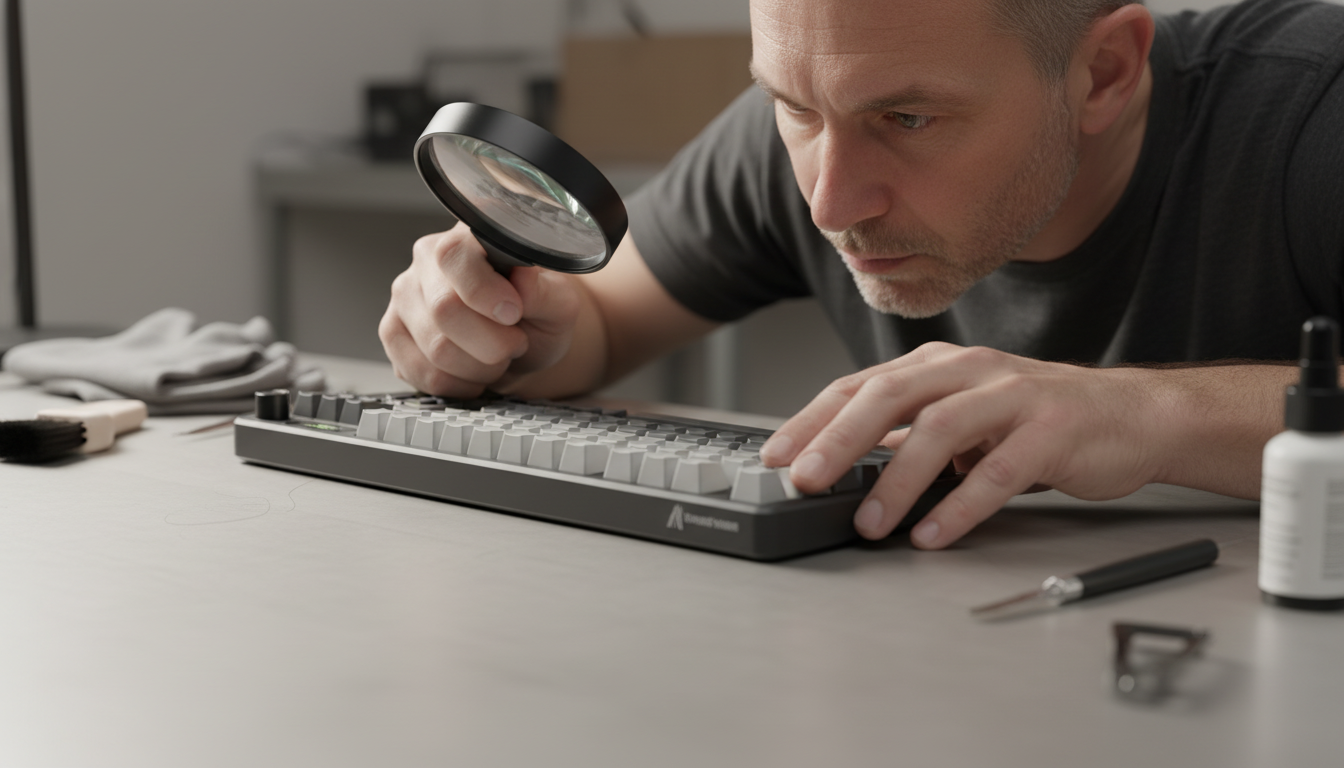
The most effective preventative measure is a daily wipe-down using a high-quality microfiber cloth. Microfiber is engineered with a high surface area to trap oils and salts without the need for solvents. According to science-based cleaning guides, the split fibers in the cloth physically lift the residues away from the microscopic pores of an anodized surface.
The Weekly Distilled Water Clean
Once a week, a more thorough cleaning is recommended using a cloth dampened with distilled water. Distilled water is essential because tap water often contains its own minerals and chlorine, which can leave behind "water spots" or contribute to the very chloride buildup you are trying to remove.
Avoid Alcohol and Ammonia: A common mistake is using 70% Isopropyl Alcohol to "sanitize" a metal keyboard. While effective for plastic keycaps, alcohol can act as a solvent for the thin protective oils or topcoats used on premium metal finishes. Repeated use can lead to the finish becoming brittle and prone to chipping.
Environmental Controls
For users in high-humidity or coastal areas, managing the environment is as important as cleaning the device.
- Silica Desiccants: Placing a small desiccant pack near the keyboard when not in use can help maintain a local "micro-climate" with lower humidity.
- Acrylic Dust Covers: Using a transparent acrylic cover when the system is idle prevents airborne pollutants and dust (which can hold moisture against the metal) from settling on the finish.
Hardware Longevity and Regulatory Compliance
When investing in high-spec hardware, durability is often tied to the quality of internal components as much as the external finish. For wireless devices, the longevity of the lithium-ion battery is a primary concern. As outlined in the IATA Lithium Battery Guidance, proper thermal management and charging cycles are critical for safety and capacity retention.
High-performance mice running at 8000Hz polling rates demand significant power, often reducing battery life by 75-80% compared to standard 1000Hz operation. This necessitates more frequent charging cycles. Users should be aware that excessive heat during these frequent cycles can accelerate the degradation of the internal battery, indirectly affecting the long-term value of the peripheral.
Furthermore, technical gamers should verify that their equipment meets international standards for interference and safety. Databases like the FCC Equipment Authorization provide transparency into the radio frequency (RF) testing and internal construction of certified devices, ensuring that the "high-spec" claims are backed by regulatory rigor.
Summary of Maintenance Heuristics
To maximize the lifespan of premium metal finishes, users should adopt a tiered care strategy based on their personal usage intensity and skin chemistry.
| Frequency | Action | Tool | Objective |
|---|---|---|---|
| Post-Session | Dry Wipe | Microfiber Cloth | Remove surface oils and fresh sweat. |
| Weekly | Damp Wipe | Distilled Water | Dissolve and remove accumulated salts/chlorides. |
| Monthly | Deep Clean | Soft Brush + Air | Remove debris from crevices to prevent moisture traps. |
| As Needed | Environmental | Dehumidifier / Cover | Reduce baseline corrosion risk from humidity. |
Heuristic Note: This "Daily/Weekly/Monthly" schedule is a rule of thumb for high-intensity users. Individuals with neutral or dry skin in low-humidity environments may find that a bi-weekly routine is sufficient. The primary indicator for increasing frequency is the appearance of "fingerprint shadows" that do not easily wipe away.
Final Perspective on Metal Care
The shift toward metal construction in the gaming industry has brought a new level of "heft" and quality to the desktop. However, these materials require a more nuanced understanding of chemistry than their plastic predecessors. By acknowledging the reality of skin acidity and the aggressive nature of chloride ions, users can move beyond reactive cleaning to proactive preservation.
Protecting a premium finish is not about reaching for the strongest cleaner; it is about the consistent, gentle removal of the biological catalysts that drive corrosion. As highlighted in the Global Gaming Peripherals Industry Whitepaper (2026), the future of peripheral durability lies in the education of the user, bridging the gap between high-performance engineering and long-term hardware stewardship.
Disclaimer: This article is for informational purposes only and does not constitute professional medical or engineering advice. Physiological responses and material degradation rates vary significantly based on individual factors and specific alloy compositions. Always refer to the manufacturer's specific care instructions for your hardware.
Sources
- Variations in regional sweat composition in normal human males (PubMed)
- Effect of different environmental parameters on pitting behavior of AISI type 316L stainless steel (ResearchGate)
- Understanding PVD Watches: Coatings, Gold Finishes, and Maintenance (Diamond Source NYC)
- IATA Lithium Battery Guidance Document
- Global Gaming Peripherals Industry Whitepaper (2026)
- Aluminum Anodizing Standards (Aluminum Anodizers Council)

Hinterlasse einen Kommentar
Diese Website ist durch hCaptcha geschützt und es gelten die allgemeinen Geschäftsbedingungen und Datenschutzbestimmungen von hCaptcha.