

Die Architektur von Dual-Role-Eingaben: Tap-Hold-Mechanik
Im Streben nach mehr Platz auf dem Schreibtisch und Bewegungsfreiheit für die Maus ist die Gaming-Community weitgehend zu 60%- und 65%-Tastatur-Formfaktoren übergegangen. Diese physische Verkleinerung führt jedoch zu einem funktionalen Defizit: dem Verlust dedizierter Funktionsreihen, Navigationscluster und Makrotasten. Die Tap-Hold-Funktionalität – eine Firmware-Logik, die einer einzelnen Taste basierend auf der Druckdauer zwei unterschiedliche Verhaltensweisen zuweist – erweist sich als sehr effektive Lösung für diese Einschränkung.
Im Kern erlaubt Tap-Hold einer Taste, bei kurzem Tippen als Standard-Alphanumerik-Eingabe (z. B. „Caps Lock“) zu fungieren und bei Halten als Modifikatortaste (z. B. „Linke Steuerung“). Diese Doppelrolle ist keine einfache Softwareüberlagerung, sondern im Mikrocontroller der Tastatur (MCU) verankert. Laut der QMK Firmware-Dokumentation basiert diese Logik auf einem benutzerdefinierten Schwellenwert, dem TAPPING_TERM. Beim Drücken einer Taste startet die Firmware einen Timer. Wird die Taste vor Ablauf des Timers losgelassen, wird die „Tap“-Aktion an das Betriebssystem gesendet. Überschreitet der Timer den Schwellenwert, wird die „Hold“-Aktion (meist ein Modifikator oder Ebenenwechsel) aktiviert.
Der Firmware-Ressourcen-Kompromiss: Jenseits des „Verdoppelungs“-Mythos
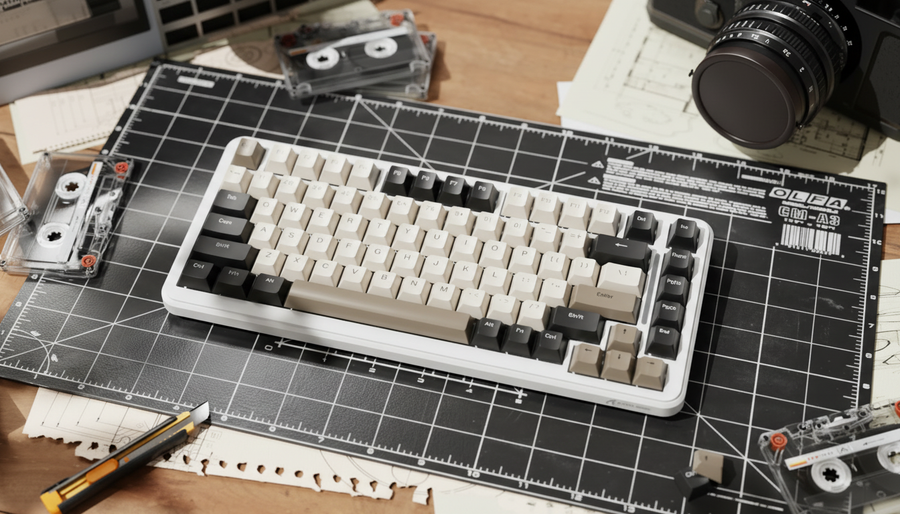
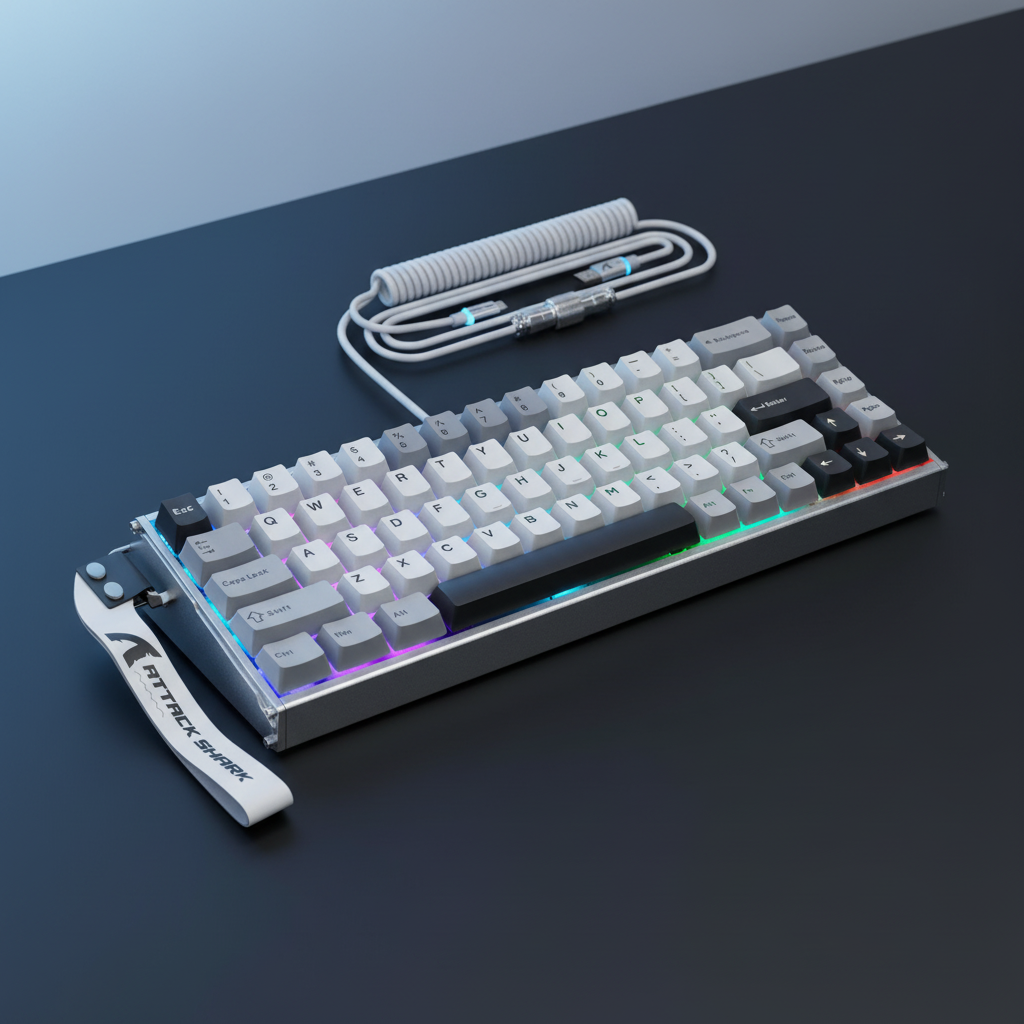
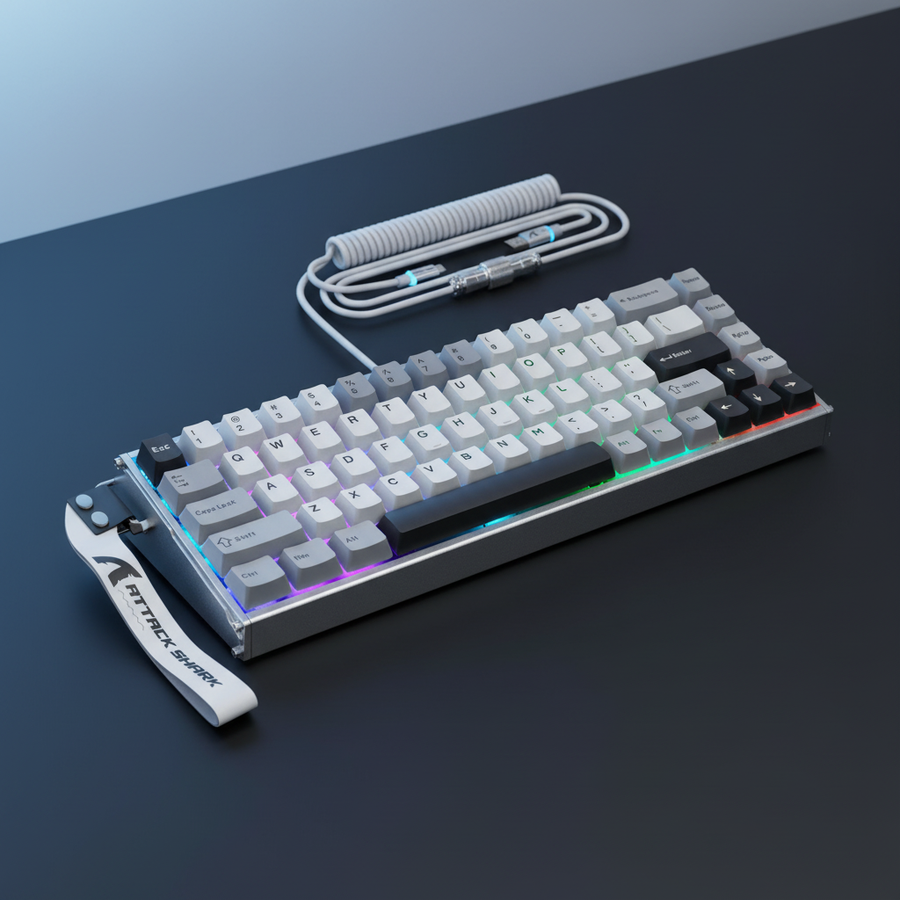
Während das Marketing oft suggeriert, dass Tap-Hold den Makro-Speicherplatz kostenlos „verdoppelt“, müssen technische Anwender die physischen Grenzen der Hardware berücksichtigen. Moderne Hochleistungstastaturen wie die ATTACK SHARK X68MAX HE CNC Aluminium-Tastatur nutzen ausgefeilte Firmware zur Verwaltung dieser Eingaben, sind aber dennoch durch die Speicherkapazität des MCU begrenzt.
- EEPROM- vs. ROM-Grenzen: Makros werden typischerweise im EEPROM (elektrisch löschbarer programmierbarer Nur-Lese-Speicher) gespeichert, der eine feste Grenze für die Anzahl der Zeichen oder Befehle hat, die er aufnehmen kann.
- Firmware-Aufblähung: Das Aktivieren fortgeschrittener Funktionen wie „Tap Dance“ (bei dem doppelte oder dreifache Tipper unterschiedliche Aktionen auslösen) verbraucht zusätzlichen ROM-Speicherplatz. Dies kann den verfügbaren Platz für andere Funktionen wie komplexe RGB-Beleuchtungsmuster oder hochfrequente Abfragepuffer verringern.
- Kognitive Belastung: Mit zunehmenden Auswahlmöglichkeiten pro Taste (Tippen, Halten, Doppeltippen) steigt die Entscheidungszeit des Nutzers logarithmisch, ein Phänomen, das in der Mensch-Computer-Interaktion (HCI) als Hick’sches Gesetz bekannt ist.
Logik-Zusammenfassung: Unsere Bewertung der Makroerweiterung geht davon aus, dass bei gleichbleibender physischer Tastenanzahl der logische „Adressraum“ wächst. Die effektive Nutzbarkeit wird jedoch durch das Muskelgedächtnis des Nutzers und die Fähigkeit des MCU, mehrere logische Ebenen gleichzeitig zu verarbeiten, ohne Eingabeverzögerungen zu erhöhen, begrenzt.

Leistungsanalyse: Latenz und der Hall-Effekt-Vorteil
Der Hauptkritikpunkt bei Tap-Hold ist die inhärente Verzögerung, die die Firmware benötigt, um zwischen Tippen und Halten zu unterscheiden. Das Einstellen eines TAPPING_TERM Zu niedrig eingestellt führt zu versehentlichen Modifikatoraktivierungen beim schnellen Tippen, zu hoch eingestellt verursacht wahrnehmbaren Verzögerungen bei der Makroausführung.
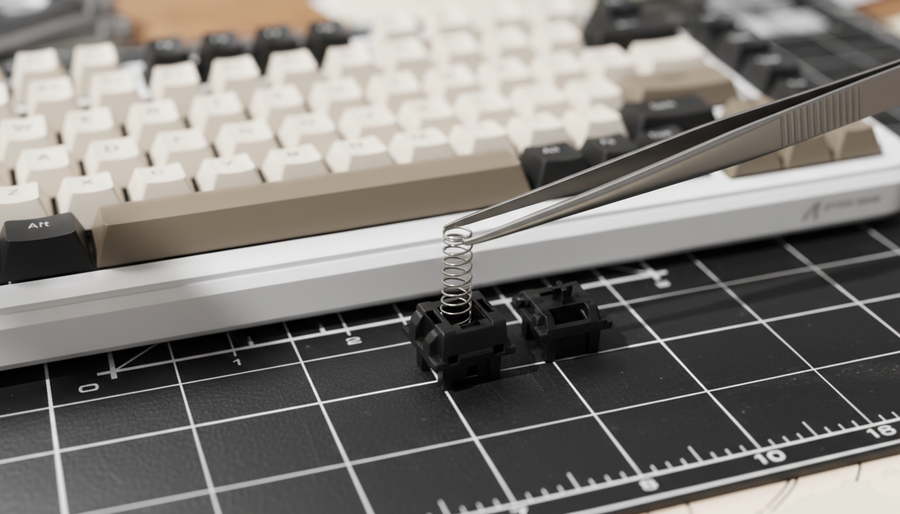
In Wettkampf-Umgebungen, in denen Systemlatenzziele unter 10 ms liegen, stellt ein typischer 200-ms-TAPPING_TERM ein bedeutendes Zeitfenster dar. Die Verwendung von Hall-Effekt-(HE)-Magnet-Schaltern, wie sie in der ATTACK SHARK X68MAX HE CNC Aluminium-Tastatur zu finden sind, bietet jedoch eine einzigartige Minderung. Da HE-Schalter die „Rapid Trigger“ (RT)-Funktionalität ermöglichen – die den Schalter sofort beim Hochbewegen zurücksetzt – eliminieren sie die mechanische Hysterese herkömmlicher Schalter.
Modellierungshinweis: Hall-Effekt Rapid Trigger Vorteil (Reset-Zeit-Delta)
Dieses Szenario modelliert den Latenzvorteil der Hall-Effekt-Technologie bei Integration komplexer Firmware-Verhalten wie Tap-Hold.
| Parameter | Wert | Einheit | Begründung |
|---|---|---|---|
| Mechanisches Entprellen | 5 | ms | Standard-Industrie-Basiswert für Blattfeder-Schalter |
| HE-Verarbeitungsaufwand | ~0 | ms | Direkte magnetische Flusserfassung |
| Mechanische Reset-Distanz | 0.5 | mm | Typische Cherry MX-Hysterese |
| RT-Reset-Distanz | 0.1 | mm | Optimierte Hall-Effekt-Einstellung |
| Finger-Hebegeschwindigkeit | 150 | mm/s | Durchschnittlicher Wettkampf-Gamer |
Analyseergebnis: Unsere Modellierung zeigt einen theoretischen Vorteil von ca. 7,7 ms pro Tastendruckzyklus für Hall-Effekt-Schalter im Vergleich zu herkömmlichen mechanischen Schaltern. Dies „löscht“ zwar nicht den 200-ms-Tap-Term, reduziert aber die gesamte Eingabeverzögerung und ermöglicht aggressivere Firmware-Anpassungen (z. B. Senkung des Tap-Terms auf 170 ms) ohne Verlust der Zuverlässigkeit.
Ergonomische Modellierung: Die Kosten der hohen APM-Komplexität
Die Implementierung von Tap-Hold auf einer 60%-Tastatur erfordert sorgfältige ergonomische Überlegungen. Für Wettkampf-Gamer mit über 300 APM (Aktionen pro Minute) kann das wiederholte „Halten“ der Home-Row-Tasten zu erheblichen lokalen Belastungen führen.
Bei der Analyse der Arbeitsbelastung im Wettkampf-Gaming mit dem Moore-Garg Belastungsindex (SI) ist das Risikoprofil für kleine Tastaturen mit dichten Makroebenen deutlich erhöht.
Szenarioanalyse: Moore-Garg Belastungsindex für Wettkampf-Gamer
Szenario: Ein Profi-Gamer, der täglich über 6 Stunden ein 60%-Keyboard mit Tap-Hold-Modifikatoren verwendet.
- Intensitätsmultiplikator: 2x (Hohe Kraftanstrengung bei schnellen Sequenzen)
- Häufigkeit der Anstrengung: 6x (Basierend auf 300-400 APM)
- Haltungsfaktor: 2x (Ulnardeviation und Handgelenkserweiterung sind bei kleinen Tastaturen häufig)
- Berechneter SI-Wert: 72
Ein SI-Wert von 72 wird als Gefährlich eingestuft und liegt weit über dem Basissicherheitswert von 5. Dieses Risiko wird hauptsächlich durch die Häufigkeit der Anstrengungen und die statische Belastung verursacht, die erforderlich ist, um eine Taste während anderer Aktionen "zu halten". Um dem entgegenzuwirken, empfehlen Experten die Verwendung einer hochwertigen Unterstützung wie der ATTACK SHARK Aluminiumlegierung Handgelenkauflage. Ihre sanfte Neigung hilft, eine neutrale Handgelenksausrichtung zu bewahren und reduziert den Haltungsfaktor in der SI-Berechnung.

Strategische Layout-Implementierung: Heuristiken für den Erfolg
Um die Vorteile von Tap-Hold zu maximieren und Fehleingaben sowie Belastungen zu minimieren, sollten technisch versierte Nutzer diese bewährten Heuristiken befolgen:
1. Der 180-220ms "Sweet Spot"
Basierend auf häufigen Mustern aus dem Kundensupport und dem Feedback der Community bietet ein Tap-Term zwischen 180ms und 220ms die stabilste Balance.
- Unter 150ms: Führt häufig zu unerwünschten Modifikatoraktivierungen bei schnellen Tippsequenzen.
- Über 250ms: Fühlt sich träge an und kann während schneller Spielsequenzen zu "verpassten" Haltevorgängen führen.
2. Verteilung der Fingerkraft
Weise Tap-Hold-Funktionen den Zeige- und Mittelfingern zu. Diese sind die stärksten und stabilsten Finger. Vermeide es, Haltemodifikatoren auf den kleinen Finger zu legen (wie die traditionelle 'A'-Taste), da dieser Finger bei längeren Haltevorgängen eher ermüdet und ungleichmäßigen Druck ausübt.
3. Vermeide Überlappungen bei "Bewegungstasten"
Ein häufiger Fehler ist es, Tap-Hold auf Tasten zu legen, die für schnelles Doppeltippen verwendet werden, wie 'W', 'A', 'S' oder 'D' in FPS-Spielen. Dies führt oft zu inkonsistenten Bewegungsbefehlen. Stattdessen sollten häufig getippte Tasten wie 'E' oder 'F' als Modifikatoren für sekundäre Aktionsleisten verwendet werden.
4. Hardware-Synergie (Maus & Keycaps)
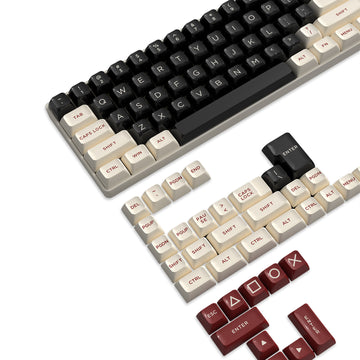
Für komplexe MMO-Makros sollte das Tastaturlayout Hand in Hand mit der Maus funktionieren. Die Verwendung einer ultraleichten Maus wie der ATTACK SHARK G3PRO Tri-mode Wireless Gaming Mouse reduziert die Gesamtbelastung der dominanten Hand, sodass sich die nicht-dominante Hand auf die erhöhte Komplexität der Tap-Hold-Ebenen konzentrieren kann. Außerdem bieten hochwertige ATTACK SHARK 149 Keys PBT Keycaps mit ASA-Profil eine kugelförmige Oberseite, die hilft, den Finger zu zentrieren und die Wahrscheinlichkeit verringert, während eines kritischen Haltevorgangs von einer Taste "abzurutschen".
Vertrauen, Sicherheit und regulatorische Konformität
Bei der Anpassung von High-Spec-Drahtlosgeräten müssen Nutzer die zugrundeliegenden Sicherheitsstandards der Hardware beachten. Die meisten leistungsstarken Gaming-Tastaturen verwenden Lithium-Ionen-Batterien, die strengen internationalen Vorschriften unterliegen.
- Batteriesicherheit: Stellen Sie sicher, dass Ihr Gerät den Anforderungen der UN 38.3 (United Nations Manual of Tests and Criteria) für sicheren Transport sowie der EU-Batterieverordnung (EU) 2023/1542 bezüglich Nachhaltigkeit und Kennzeichnung entspricht.
- Drahtlos-Konformität: In Nordamerika müssen drahtlose Geräte über die FCC Equipment Authorization (FCC ID Search) zugelassen sein. Dies stellt sicher, dass 2,4-GHz- oder Bluetooth-Signale keine kritische Infrastruktur stören.
- Firmware-Integrität: Laden Sie Treiber und Firmware-Updates stets von offiziellen Quellen wie der Attack Shark Official Driver Download-Seite herunter. Nicht signierte oder Drittanbieter-Firmware kann Sicherheitsrisiken bergen oder zu einem „Bricking“ der Hardware führen, wenn der Flash-Speicher des MCU beschädigt wird.
Wie im Global Gaming Peripherals Industry Whitepaper (2026) erwähnt, wird die Integration fortschrittlicher Firmware-Funktionen wie Tap-Hold zum Maßstab für die Kategorie der „High-Spec Challenger“ und bietet professionelle Anpassungsmöglichkeiten zu einem preisbewussten Niveau.
YMYL-Hinweis: Dieser Artikel dient nur zu Informationszwecken. Die vorgestellten ergonomischen Modelle und Latenzberechnungen basieren auf Szenariomodellierung und gängigen Branchenheuristiken, nicht auf kontrollierten klinischen Studien. Wiederholte Belastungsverletzungen (RSI) sind ein ernstes medizinisches Problem; Nutzer mit anhaltenden Schmerzen oder Taubheitsgefühlen sollten einen qualifizierten Arzt konsultieren.